When a GPS tracker protects cargo, vehicles, or sensitive assets, location is only part of the job. Operations also need to know when a lock changes state, a back cover is opened, or someone attempts to identify themselves with an unauthorized credential. This Secure GPS update expanded support for JT600 sensors and RFID authentication, introduced a dedicated failed-authentication alert, and improved real-time device updates.
The result is more useful monitoring for transportation, security, logistics, and asset-control teams. Data sent by the tracker can become understandable operational signals and alerts that help people respond quickly.
JT600 sensor states available in Secure GPS
Secure GPS expanded support for the JT600 protocol to interpret states that were not previously used in full. On compatible models, the platform can recognize the lock-rope state as sensor 1 and the back-cover state as sensor 2.
A JT600 tracker can therefore support more than position monitoring. A cargo company, for example, can review whether a security rope remains in the expected state during a trip. In another scenario, the back-cover state can provide a useful signal when the tracker is inspected or handled.
The same release began interpreting vibration events transmitted by these devices. Secure GPS can use that information to show relevant activity even when the vehicle or asset has no obvious GPS movement.
Failed RFID authentication alert
Secure GPS introduced the Failed Authentication alert for trackers that use RFID identification. On compatible JT600 devices, both an incorrect-password attempt and an unauthorized RFID key can be recognized and converted into an alert condition.
This solves a practical problem. A failed attempt could otherwise remain a technical device value that is difficult to connect with a security action. It can now be handled as an identifiable Secure GPS event with the report's date and position when the tracker provides them.
A business can use this alert to:
- detect unauthorized access attempts involving a trailer, container, or protected asset;
- check whether the identifier belongs to authorized personnel;
- relate the event to the device position and route history;
- start the verification procedure defined by the customer.
Notifications use the channels configured and available for the account. The installed model must support RFID authentication and transmit the failure state correctly for the alert to be reliable.
How the alert applies to a real operation
Consider a container secured with a compatible JT600. The driver reaches a delivery point and a person presents a card that the tracker does not recognize. The device reports the failure, Secure GPS identifies it as failed authentication, and the monitoring team can review the alert together with the location.
This information does not replace the company's security procedure, but it shortens the time between the attempt and the review. An operator can confirm identity, contact the route manager, or document the event before authorizing access.
In yards or warehouses, the same capability helps distinguish an expected opening from an attempt that requires validation. The advantage is using installed hardware for additional operational control without relying exclusively on calls and manual reports.
More consistent real-time device-list updates
Secure GPS renewed how it keeps the device list current during real-time tracking. For users, the improvement means the view receives device changes more consistently without requiring a manual page reload after every report.
This matters when an operator monitors many vehicles at once. The team must quickly recognize which tracker changed, which one reported a new position, and where a relevant condition occurred. More stable updates reduce differences between the map information and the list used to navigate through devices.
The frequency and detail of visible changes still depend on the tracker's transmission interval, connectivity, and reported information.
Sharper GPS icons on mobile phones
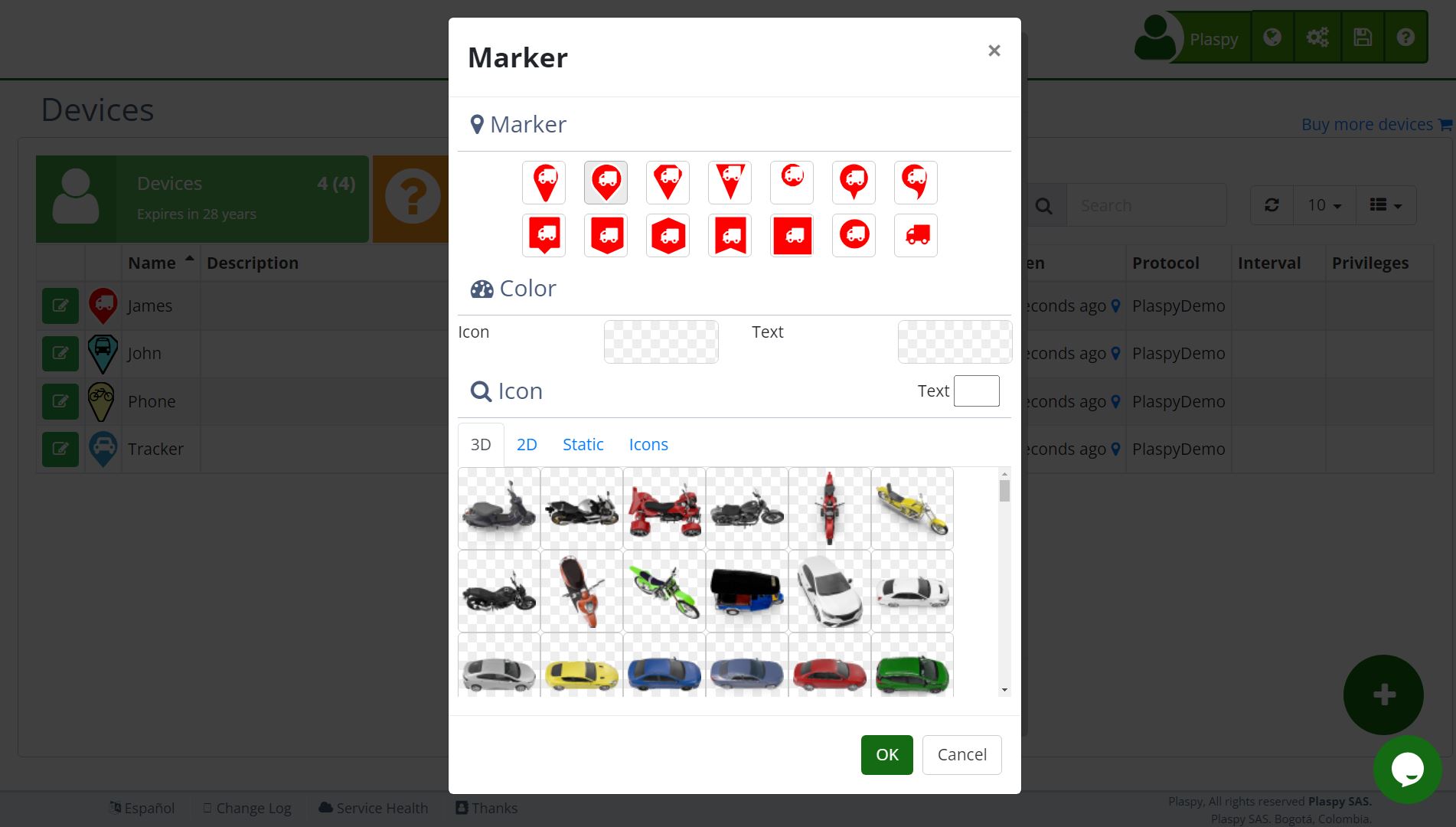
Icons used for devices and map elements were optimized for more efficient loading and prepared at a resolution suitable for high-density mobile screens. The goal was to keep them clearer when customers use Secure GPS from a phone.
In practice, a sharper marker makes vehicles or categories easier to distinguish on a small screen. It helps users identify the correct asset, reduces confusion between similar icons, and improves map readability while working away from a desk.
Better responsiveness during platform use
The release also optimized how Secure GPS uses resources. This does not add a new button, but it supports a smoother experience while customers keep tracking views open, move between devices, or work for extended periods.
For a monitoring center, a more stable application means fewer interruptions while reviewing positions and alerts. For a mobile user, it complements the visual icon improvement and makes browser-based monitoring more comfortable.
What customers need to use these capabilities
- A compatible JT600 tracker configured to transmit the required sensor or RFID states.
- An active device assigned to the user responsible for monitoring.
- The Failed Authentication alert configured with the channels and schedules appropriate for the operation.
- A response procedure defining who reviews the event and what action follows.
Not every JT600 model has the same accessories or transmits every state. Customers should confirm the exact model, RFID reader, lock type, and device configuration before deploying the function in the field.
GPS monitoring that also interprets physical security
With this release, Secure GPS turned more JT600 signals into actionable information: rope-lock and back-cover states, vibration, and failed authentication attempts. The RFID alert supports operational response, while real-time updates and mobile icons help teams find and understand the event faster.
Current availability depends on the plan, permissions, and device compatibility. Explore Secure GPS plans and features to review the capabilities offered today.